



 Deutsch
  English
  Español
  Français
The Global Aesthetic: Understanding the Cultural Landscape of Intimate Beauty
In the quiet corners of high-end boutiques in Paris, the bustling skincare stalls of Seoul, and the sterile, high-tech clinics of Beverly Hills, a shared conversation is unfolding. It is a conversation once relegated to the most private of whispers, yet it now commands a significant portion of the global beauty market.
We are talking about intimate beauty—the grooming, care, and aesthetic refinement of the female form.
While the modern world often feels smaller due to digital connectivity, the way women across the globe approach their most private selves remains deeply rooted in local tradition, historical preference, and a specific brand of modern femininity. To understand the global view on intimate beauty is to look past passing trends and examine the fundamental ways women relate to their bodies, their partners, and their heritage.
The European Perspective: The Art of Effortless Refinement
In Western Europe, particularly in France and Italy, the approach to intimate beauty is often an extension of their broader philosophy on grooming: le chic naturel. There is a distinct preference for what might be called "groomed presence." Unlike the total-removal trends that dominated the United States in the early 2000s, many European women maintain a more traditional, albeit tidy, aesthetic.
The French "Soin"
For the French woman, intimate care is less about radical transformation and more about soin—maintenance and care. The use of specialized oils and gentle pH-balanced cleansers is a staple of the vanity long before aesthetic procedures are considered. There is a cultural premium placed on the "lived-in" beauty, where the goal is to look like the best version of oneself rather than a manufactured ideal.
Data from European consumer reports suggests that while laser hair removal is rising in popularity, the "natural look" remains a pillar of the feminine identity. It reflects a center-right cultural value: the preservation of natural form paired with the discipline of personal hygiene.
The Mediterranean Influence
Further south, in Italy and Greece, the approach remains deeply familial and traditional. Beauty rituals are often passed down from mothers to daughters, emphasizing olive oil-based hydration and a rejection of overly clinical or harsh chemicals. Here, the intimate aesthetic is inextricably linked to a woman’s overall sense of vitality and health.
East Asia: The Pursuit of Porcelain Perfection
Shifting our gaze to East Asia, specifically South Korea and Japan, we see a drastically different set of priorities. In these regions, the "glass skin" phenomenon—a quest for flawless, luminous, and even-toned skin—does not stop at the jawline.
Brightening and Texture
The East Asian market leads the world in topical treatments designed for evening skin tone in intimate areas. This isn’t necessarily driven by a desire to change oneself for another, but rather a cultural standard of meticulousness. In Japan, the concept of omotenashi (wholehearted hospitality) even extends to the self; being prepared and polished in every aspect is a mark of a refined woman.
The Rise of Non-Invasive Technology
South Korea, the global hub of aesthetic innovation, has seen a surge in non-invasive tightening and rejuvenation treatments.1 These are often framed not as "anti-aging" but as "functional wellness." For the modern Korean woman, maintaining the health and tone of the pelvic region is seen as a proactive step in long-term health, much like a dedicated fitness routine or a multi-step facial regimen.
The Americas: From Trend-Chasing to Architectural Grace
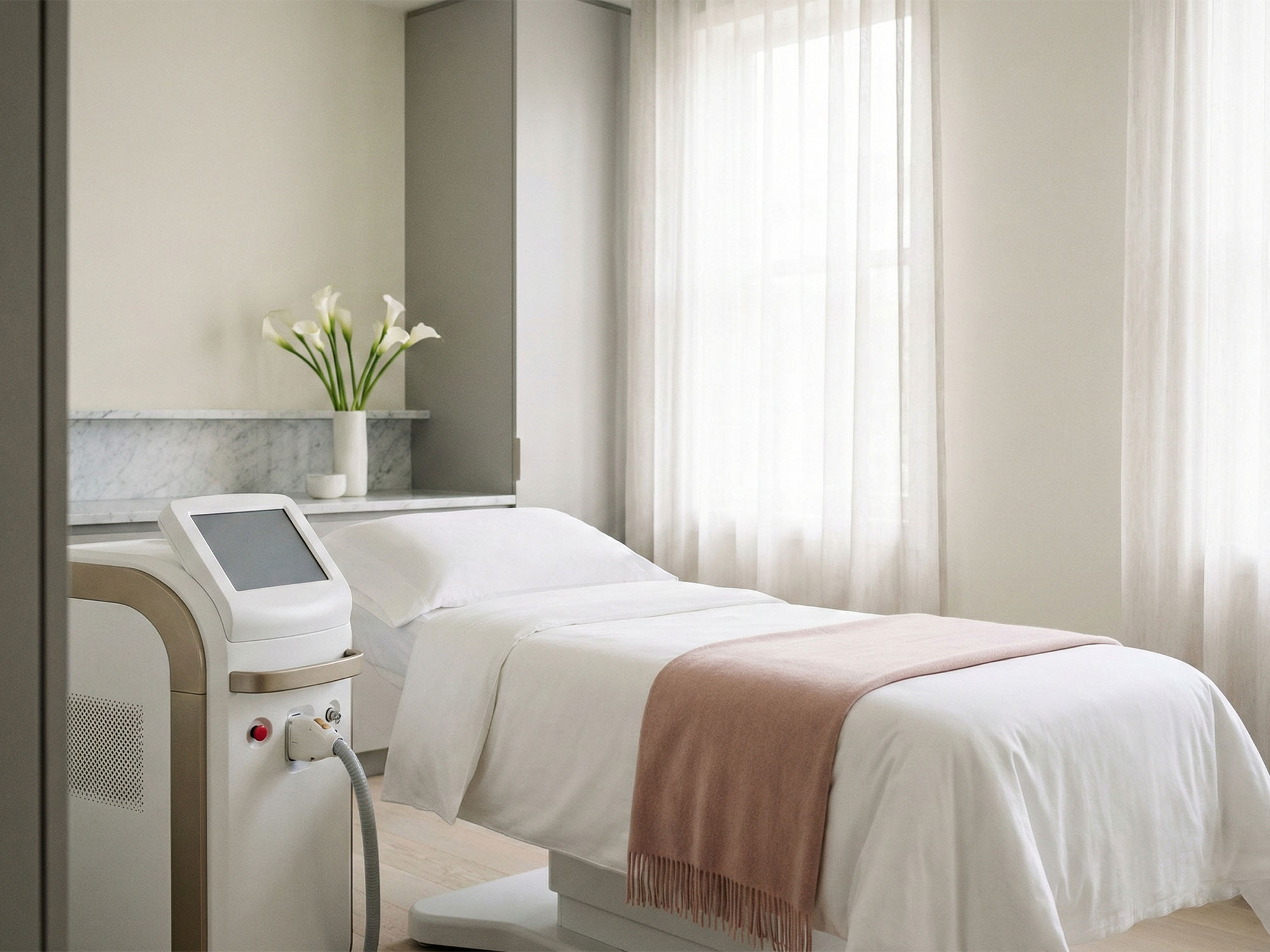
In North America, the landscape of intimate beauty has undergone a significant shift over the last three decades. We have moved from the "Brazilian" craze of the late nineties to a more nuanced, sophisticated appreciation for "architectural grace."
The Modern Traditionalist
There is a growing movement among American women that leans toward a "modern traditionalist" view. This perspective values the advancements of modern science—such as laser treatments for comfort and skin health—while returning to a more classic feminine silhouette. It is a rejection of the "plastic" look in favor of something that feels authentic and high-quality.
The American woman often views intimate beauty through the lens of efficiency and confidence. In a fast-paced society, the investment in long-term solutions (like laser hair removal or radiofrequency treatments for tissue health) is seen as a practical way to reclaim time and feel "put together" at all times.
The Influence of Wellness Culture
The American "Wellness" movement has also brought pelvic health into the sunlight. It is no longer taboo to discuss the structural integrity of the female body after childbirth. The center-right perspective here is one of personal responsibility: taking charge of one's physical recovery and maintaining the body as a temple of both strength and beauty.
Middle Eastern Traditions: The Ritual of the Hammam
One cannot discuss global intimate beauty without acknowledging the rich, centuries-old traditions of the Middle East. Long before Western spas existed, the Hammam (bathhouse) was the epicenter of female grooming.2
Halawa and Herbal Care
The traditional use of Halawa (sugar waxing) is perhaps the oldest form of intimate grooming still widely practiced today. It is a natural, effective method that reflects a cultural preference for total smoothness, often tied to preparations for marriage and religious purity rituals.
In the Middle East, intimate beauty is a private luxury. While the public-facing woman may be modest, the private-facing woman invests heavily in intricate scents, oils, and skin treatments. This duality creates a unique market where the most high-end, potent beauty products are often those designed for the most private of moments.
Did you know?
The term "Halawa" used in Middle Eastern sugaring literally translates to "sweetness" in Arabic. This natural paste of sugar, water, and lemon has been used for hair removal since the era of ancient Egypt.
The Universal Threads: What Connects Us
Despite these regional differences, several universal truths emerge when we analyze the global state of intimate beauty.
| Region | Primary Goal | Common Method |
|---|---|---|
| Europe | Natural Refinement | Gentle Cleansing & Trimming |
| East Asia | Skin Uniformity | Brightening Serums & Lasers |
| North America | Efficiency & Function | Laser Hair Removal & Pelvic Wellness |
| Middle East | Purity & Ritual | Sugar Waxing & Aromatic Oils |
1. The Move Toward Health-First Aesthetics
Across all borders, there is a clear trend: women are prioritizing the health of the tissue over mere appearance. Whether it’s pH-balanced topicals or treatments that improve circulation and collagen production, the "beauty" aspect is becoming a byproduct of "wellness."
2. The Role of the Life Cycle
The most profound shifts in intimate beauty rituals occur during major life transitions—specifically marriage and motherhood. Women globally are seeking ways to honor their bodies' changes while maintaining a sense of their pre-maternal selves. This isn't about vanity; it’s about the continuity of the feminine identity.
3. The Rejection of the Taboo
We are living in an era where women are finally allowed to be honest about their needs. Being a "modern traditionalist" means respecting the privacy and sacredness of the female body while using every tool available to ensure it stays healthy, comfortable, and beautiful.
A Note on Perspective
In analyzing these global trends, it is important to avoid the trap of viewing these choices through a purely political lens. Often, the desire for intimate grooming is framed as a response to external pressure. However, an honest look at the data and cultural histories suggests something different: women engage in these rituals primarily for themselves and their intimate partners.
It is an act of self-discipline and self-respect. Much like wearing fine silk lingerie under a professional wool suit, intimate beauty is a private standard of excellence. It is a way of saying that even the parts of us that the world does not see deserve care, investment, and appreciation.
The Future of the Intimate Industry
As we look toward the next decade, the "Global View" will likely become even more integrated. We are seeing "French Girl" pharmacy brands appearing in Tokyo, and Korean "Sheet Masks" for the bikini line appearing in New York.
The winners in this space will be the brands and practitioners who respect the intelligence of women. Women do not need to be told to "change" who they are; they are looking for ways to enhance the biology they were born with. They are looking for products that are grounded in science, respectful of tradition, and elegant in their execution.
The Return to Elegance
Perhaps the most encouraging trend is the return to elegance. The "shock value" of the early 2000s grooming trends has faded. In its place is a more mature, sophisticated approach to the female form. It is an approach that recognizes that beauty is not a "standard" to be met, but a "harmony" to be maintained.
For the woman navigating this world, the message is clear: your approach to intimate beauty is yours alone, but you are part of a global sisterhood that has valued this care for millennia. Whether you prefer the naturalism of a Parisian or the meticulousness of a Seoulite, the goal remains the same—to feel at home, confident, and beautiful in your own skin.
Common Inquiries on Intimate Beauty
In the End
Intimate beauty is more than a category of the cosmetics industry; it is a reflection of how we view ourselves as women. By looking at the global landscape, we see a beautiful variety of traditions, all pointing toward a singular truth: the female body is a masterpiece that deserves meticulous care.
In a world that often feels chaotic, the quiet, disciplined rituals of grooming and self-care provide a sense of order and personal sovereignty. They are a celebration of femininity in its most private, honest, and enduring form.
Disclaimer: The articles and information provided by the Vagina Institute are for informational and educational purposes only. This content is not intended to be a substitute for professional medical advice, diagnosis, or treatment. Always seek the advice of your physician or another qualified health provider with any questions you may have regarding a medical condition.