


 Deutsch
  English
  Español
  Français
 The Silver Shift: Navigating Vaginal Wellness in the Post-Menopausal Years

The Silver Shift: Navigating Vaginal Wellness in the Post-Menopausal Years
In Brief: Post-menopausal vaginal health is defined by a decrease in estrogen, which leads to a more neutral pH and thinner tissues. Maintaining health in this stage requires a move away from soaps and synthetic fabrics, prioritizing moisture retention and allowing the skin frequent periods to "breathe" to prevent irritation and scent changes.
While the biological milestone of menopause is often discussed in terms of hot flashes and sleep disturbances, the physiological changes occurring within the pelvic environment are among the most significant shifts a woman will experience. In the clinical community, these changes are often categorized under the umbrella of Genitourinary Syndrome of Menopause (GSM). However, for the individual woman, it is simply a new chapter in her body’s ongoing narrative—one that requires a grounded, precise approach to care.
To understand the post-menopausal vaginal environment, one must first understand the role of estrogen. Throughout the reproductive years, estrogen acts as the primary architect of vaginal health. It maintains the thickness and elasticity of the vaginal walls, stimulates the production of natural lubrication, and ensures a steady supply of glycogen. This glycogen is the primary food source for Lactobacilli, the beneficial bacteria that keep the vaginal pH acidic and resistant to infection.
When estrogen levels decline during and after menopause, this architecture changes. The tissues may become thinner (atrophy), and the internal ecosystem undergoes a fundamental shift. Understanding these mechanics is the key to maintaining comfort and health during this transition.
The Post-Menopause Checklist
- 💧 Hydrate Internally: Increased water intake supports mucosal health.
- 🌬️ Nightly Air-Out: Sleep without underwear to reduce friction on thinned skin.
- 🚫 Zero Fragrance: Eliminate all scented laundry detergents and body washes.
- 🧬 Monitor pH: Noticeable fishy odors may require a localized treatment from your doctor.
The Shifting Ecosystem: pH and Odor
Cultural Insight
In many Mediterranean and Japanese cultures, the transition of menopause is often viewed as a "second spring" or konenki. These cultures traditionally emphasize mineral-rich diets and cotton-based clothing, which modern science now confirms are beneficial for managing the physiological shifts in pelvic health and skin sensitivity during this period.
As estrogen wanes, the population of Lactobacilli naturally decreases. Without these "protective" bacteria producing lactic acid, the vaginal pH often rises from an acidic level to a more neutral or alkaline state. This shift in the internal environment changes the natural scent profile of the body.
Many women notice that their scent becomes milder or, conversely, more "stale" as the natural acidity decreases. Because a more neutral pH is less effective at repelling certain types of opportunistic bacteria, post-menopausal women may find themselves more susceptible to low-grade imbalances that alter odor. This is not a failure of hygiene; it is a predictable result of hormonal shifts.
Identifying the Change
It is important to distinguish between the natural scent of a post-menopausal body and the signs of a clinical issue. A healthy post-menopausal scent may be less "tangy" than in younger years. However, if an odor becomes sharp, fishy, or is accompanied by yellow or grey discharge, it typically indicates that the pH has shifted enough to allow for a minor infection, such as Bacterial Vaginosis (BV), which remains common well into the senior years.
The Physical Reality: Moisture and Elasticity
One of the most common concerns in post-menopause is vaginal dryness. This is not merely a matter of comfort during intimacy; the lack of moisture can lead to micro-tears in the delicate tissue, which can then become irritated by sweat or urine, leading to a change in odor and general discomfort.
In this stage of life, the "breathability" of the body becomes even more critical. Because the skin of the vulva also thins with age, it becomes more sensitive to friction and chemical irritants.
Post-Menopause Wellness: Your Questions Answered
Is it normal to have less discharge after menopause?
Yes. Because estrogen levels are lower, the vaginal lining produces less fluid. While this is biologically normal, it can lead to dryness. If the lack of moisture causes irritation or changes your natural scent significantly, localized treatments can help restore balance.
Does a higher pH mean I have an infection?
Not necessarily. A higher (more alkaline) pH is a natural hallmark of the post-menopausal state. However, a higher pH *does* make it easier for certain bacteria to grow. If the pH shift is accompanied by a foul odor or discomfort, it is worth checking with a professional.
Will "airing out" really help with dryness?
"Airing out" is less about fixing dryness and more about preventing irritation. Thinned skin is easily chafed by fabric and trapped moisture. Giving your body time without the friction of underwear allows the skin to rest and stay clear of secondary sweat-related odors.
The Role of Air and Fabric
In the post-menopausal years, the advice to allow the body to breathe is more than a wellness tip—it is a preventative health measure. Synthetic fabrics can be particularly abrasive to thinned skin.
-
Cotton is Essential: Pure cotton underwear reduces the risk of contact dermatitis and heat rashes, which are more common as the skin loses its youthful resilience.
-
Underwear-Free Recovery: Providing the pelvic area with "air time" at night helps prevent the accumulation of moisture that can lead to irritation. For women experiencing thinning tissues, this time allows the skin to recover from the friction of daily movement without the barrier of fabric.
Precision Care: Do’s and Don’ts for Post-Menopause
Care in the post-menopausal years should be focused on preservation and hydration rather than "cleaning."
-
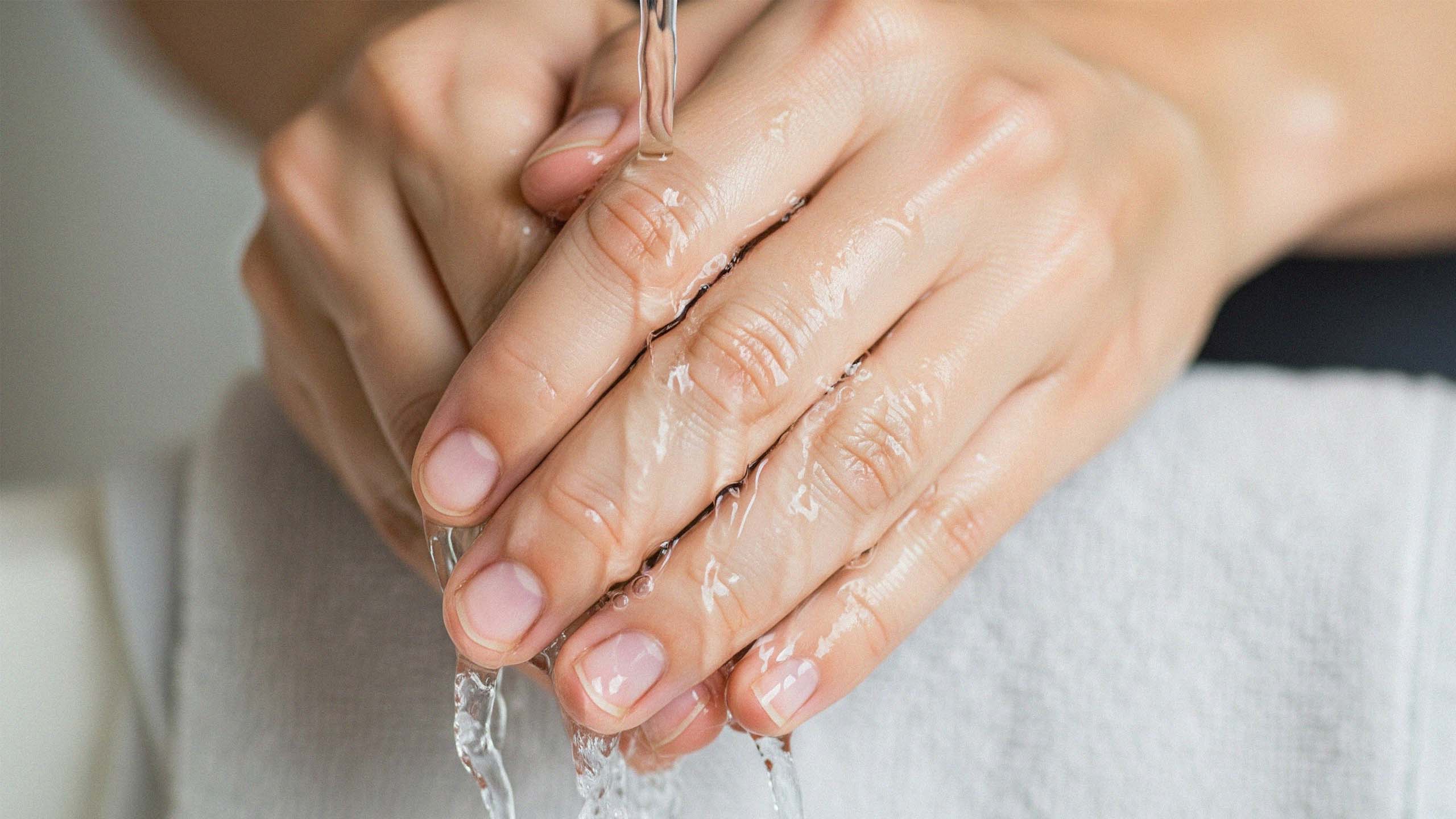
Avoid All Detergents: The thinned vulvar skin is highly reactive. Even "mild" soaps can strip away the remaining natural oils, leading to itching and a disruption of the surface bacteria. Warm water is the gold standard for cleansing.
-
Hydration from the Outside In: For many women, high-quality, water-based or silicone-based moisturizers (specifically designed for vaginal use, not just lubricants for sex) can help maintain the integrity of the tissue.
-
Medical Consultation: If dryness or odor changes impact quality of life, topical estrogen treatments are often recommended by healthcare providers. These treatments act locally to restore the thickness of the tissue and the acidity of the environment without the systemic effects of traditional hormone replacement therapy.
"Menopause represents a change in state, not a decline in health... your body continues to be a self-regulating system."
A Data-Driven Approach to Comfort
Menopause represents a change in state, not a decline in health. By understanding the underlying science—the relationship between estrogen, pH, and the microbiome—women can navigate this transition with precision.
Prioritizing breathable fabrics, allowing for consistent "airing out," and focusing on tissue hydration can mitigate the most common concerns of this era. Your body continues to be a self-regulating system; it simply requires a slightly different set of tools to maintain its balance in this new season.
Disclaimer: The articles and information provided by the Vagina Institute are for informational and educational purposes only. This content is not intended to be a substitute for professional medical advice, diagnosis, or treatment. Always seek the advice of your physician or another qualified health provider with any questions you may have regarding a medical condition.