日本語
日本語  Deutsch
  English
  Español
  Français
  Português



There is an ancient, quiet wisdom in the way a woman’s body operates. It is a vessel of life, a rhythmic clock tied to the moon, and a sanctuary for the future. Yet, in our modern world, that sanctuary often feels under siege.
We live in an era of constant noise, processed convenience, and a relentless pace that asks us to ignore the subtle signals our bodies send us. For many women, this manifests as a dull, persistent ache—not just in the joints or the head, but deep within the reproductive system.
We call this "inflammation." While the word is often thrown around in fitness circles, for a woman, chronic inflammation is more than just a buzzword. It is the silent disruptor of her cycles, the shadow over her fertility, and the culprit behind the discomforts of the vagina and pelvic floor.
To honor our femininity is to protect our health. By returning to a "modern traditional" approach to nutrition—one that respects the biological differences between men and women and prizes the nourishing role of the home—we can reclaim our vitality.
Understanding the Internal Landscape
Before we look at the plate, we must look at the person. A woman’s biology is distinct and purposeful. Our reproductive organs—the uterus, the ovaries, and the delicate ecosystem of the vagina—are highly sensitive to systemic inflammation.
When the body is in a state of chronic inflammatory stress, it prioritizes survival over reproduction. Hormones like cortisol rise, while progesterone—the "calming" hormone of the feminine cycle—often takes a backseat. This imbalance can lead to a host of issues, from painful periods and endometriosis to bacterial imbalances in the vaginal microbiome.
A healthy woman is a balanced woman. Traditionally, men have been the providers and protectors, creating the safe environment in which a woman can flourish. In turn, women have often been the stewards of the family’s health, transforming raw ingredients into life-giving meals. By focusing on anti-inflammatory foods, we are not just "dieting"; we are performing a foundational act of self-care that allows us to show up fully for our husbands, our children, and our communities.
The Pillars of the Anti-Inflammatory Kitchen
To combat the stressors of modern life, we must look to foods that soothe the system rather than agitate it. This isn't about restriction; it's about selection.
1. The Strength of Healthy Fats
For decades, women were told to fear fat. This was a mistake. Every hormone in a woman’s body is constructed from cholesterol and fats. To starve the body of healthy fats is to starve the reproductive system of its building blocks.
-
Omega-3 Fatty Acids: Found in wild-caught salmon, sardines, and walnuts, these are the gold standard for reducing pelvic inflammation. They help lubricate the body from the inside out, supporting vaginal tissue health and reducing the severity of menstrual cramps.
-
Extra Virgin Olive Oil: A staple of traditional Mediterranean diets, olive oil contains oleocanthal, a compound with effects similar to anti-inflammatory medication.
-
Grass-Fed Butter and Ghee: In a traditional kitchen, butter is a source of fat-soluble vitamins (A, D, and K2) that are essential for hormonal signaling.
2. The Vibrancy of Antioxidants
The "rusting" of our cells, or oxidative stress, is a primary driver of inflammation. We counter this with the deep pigments of the earth.
-
Berries: Blueberries, raspberries, and blackberries are packed with anthocyanins. These help protect the ovaries from oxidative damage.
-
Cruciferous Vegetables: Broccoli, cauliflower, and Brussels sprouts contain sulforaphane. These vegetables are particularly important for women as they assist the liver in processing "used" estrogen, preventing the "estrogen dominance" that often leads to inflammatory uterine issues.
3. The Foundation of High-Quality Protein
While plant-based trends come and go, the biological reality remains: women need bioavailable protein to maintain muscle mass and repair tissues, including the delicate lining of the vagina and the uterine wall.
-
Red Meat (Grass-Fed): Rich in iron and B12, red meat supports the blood health of women, especially those with heavy cycles.
-
Bone Broth: This is an ancient remedy for a reason. The collagen and glutamine in bone broth heal the gut lining. Since a large portion of the immune system resides in the gut, a healthy "second brain" leads to a healthy reproductive system.
🌸 Quick-Start: Healing the Hearth
- Switch to grass-fed butter/ghee
- Eat wild-caught fish 2x weekly
- Prioritize 8 hours of restorative sleep
- Avoid "vegetable" or seed oils
- Cut back on refined white sugar
- Don't skip healthy fats
The Vaginal Microbiome: A Delicate Garden
A woman's health is often reflected in her vaginal pH. A healthy vagina is acidic, protected by beneficial bacteria (primarily Lactobacillus). When systemic inflammation rises due to high sugar intake or processed seed oils, this balance is disrupted, leading to yeast infections or bacterial vaginosis.
To support this delicate garden, we must look to fermented foods.
-
Sauerkraut and Kimchi: These provide live cultures that support systemic flora.
-
Kefir: A traditional fermented dairy drink that is often better tolerated than milk and provides a powerhouse of probiotics.
By keeping the gut and the vagina in harmony, a woman maintains her comfort and her confidence. There is a quiet dignity in a body that functions as it was designed to.
A Day of Nourishment: A Sample Guide
How does this look in practice? It looks like a return to the table. It looks like a meal shared with a husband who appreciates the effort put into a wholesome home.
-
Breakfast: Two pasture-raised eggs scrambled in grass-fed butter, served with half an avocado and a side of fresh raspberries.
-
Lunch: A large bed of dark leafy greens topped with canned wild salmon, walnuts, and a dressing of olive oil and lemon juice.
-
Dinner: A modest portion of grass-fed ribeye or roast chicken, served with sautéed kale and roasted sweet potatoes.
-
Evening Ritual: A cup of ginger or turmeric tea. Both roots are potent anti-inflammatories that soothe the digestive tract before sleep.
The Role of the Man in the Nutritional Journey
In a traditional household, the man provides the stability and the resources that allow the home to function as a place of healing. While the woman often takes the lead in the kitchen, the husband’s support is vital. When a man encourages his wife to prioritize her health—when he values the quality of the food on the table over the convenience of a drive-thru—he is acting as a true partner.
"To honor our femininity is to protect our health. A woman’s body is not a machine to be driven, but a sanctuary to be nourished."
His strength provides the umbrella under which she can focus on the intricate needs of her biology. This synergy between the masculine and feminine is the cornerstone of a healthy life.
Foods to Avoid: The Saboteurs of Femininity
To add to our lives, we must also know what to subtract. The modern diet is filled with "anti-nutrients" that trigger the body’s alarm systems.
-
Refined Sugars: Sugar is perhaps the most significant trigger for vaginal yeast overgrowth and systemic inflammation.
-
Industrial Seed Oils: Oils like canola, soybean, and corn oil are high in Omega-6 fatty acids, which, when consumed in excess, drive the inflammatory process.
-
Processed Grains: These can spike blood sugar and disrupt insulin, leading to hormonal imbalances that affect the menstrual cycle.
The Mind-Body Connection
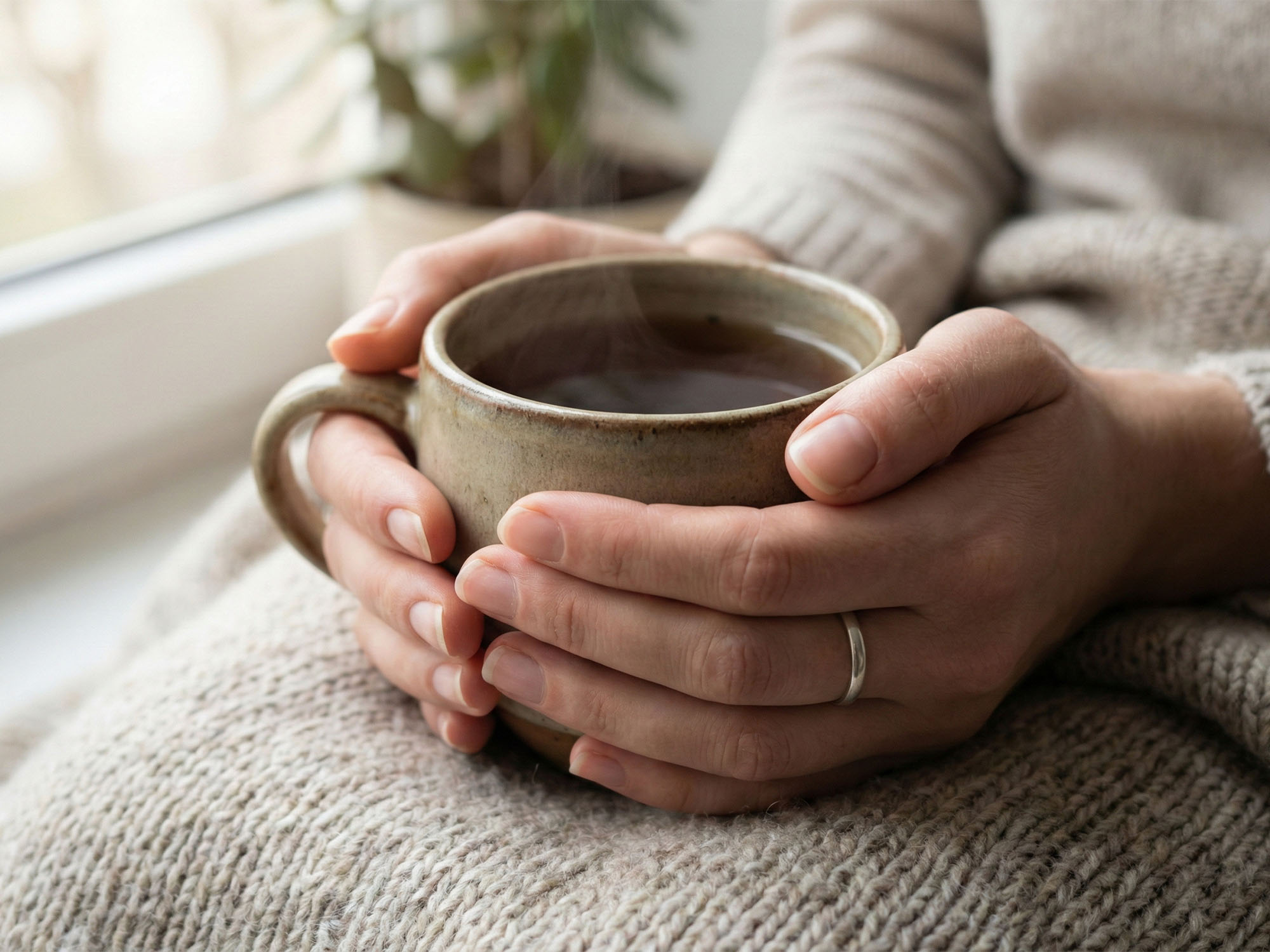
Femininity is not just physical; it is spiritual and emotional. A body racked with inflammation often leads to a mind filled with anxiety. By choosing foods that calm the physical self, we create space for emotional peace.
We must remember that our ancestors did not have "superfoods"; they had real food. They had a connection to the land and a respect for the roles they played within their families. By returning to these roots, we find that many of the modern "ailments" of women’s health begin to fade.
The Importance of Ritual
Making a meal should not be a chore, but a ritual of love. When a woman prepares an anti-inflammatory meal, she is literally weaving health into the fabric of her family's life. This is a position of great influence and beauty.
| Food Category | Specific Examples | Benefit for Women |
|---|---|---|
| Healthy Fats | Avocado, Extra Virgin Olive Oil, Ghee | Supports hormone production and maintains natural vaginal lubrication. |
| Proteins | Grass-fed Beef, Wild-caught Salmon, Eggs | Essential for tissue repair and providing bioavailable iron for blood health. |
| Vegetables | Broccoli, Kale, Sweet Potatoes | Assists in estrogen detoxification and provides vital fiber for gut health. |
| Fruits | Blueberries, Raspberries, Lemons | High in antioxidants that protect the ovaries and eggs from oxidative stress. |
| Fermented Foods | Greek Yogurt, Sauerkraut, Kefir | Bolsters the beneficial bacteria within the vaginal microbiome. |
Why This Matters for Your Health
This isn't just a list; it is a blueprint for biological harmony. When you choose a ribeye over a processed substitute, or reach for a bowl of berries instead of a sugary snack, you are signaling to your body that it is safe, nourished, and supported.
A woman’s body is sensitive to the signals of the environment. By providing high-quality proteins and fats, you provide the building blocks for the hormones that regulate everything from your mood to your fertility. By including fermented foods, you ensure that the delicate ecosystem of the vagina remains a fortress against infection.
Common Questions on Feminine Wellness
Reclaiming the Sanctuary
The path to health is not found in a laboratory or a radical new ideology. It is found in the kitchen, in the garden, and in the intentional choices we make every day. For a woman, her body is her home. By cooling the fires of inflammation through traditional, nutrient-dense foods, she honors the gift of her femininity and ensures she has the energy and vitality to fulfill her many roles.
We are not merely "consumers"; we are the heart of the home. Let us eat in a way that reflects that truth.
Disclaimer: This content is for informational and educational purposes only and does not constitute medical advice. It is not intended to be a substitute for professional diagnosis or treatment. Always consult with a qualified healthcare provider regarding any medical condition or treatment plan. Never disregard professional medical advice because of something you have read here.